
Introduction
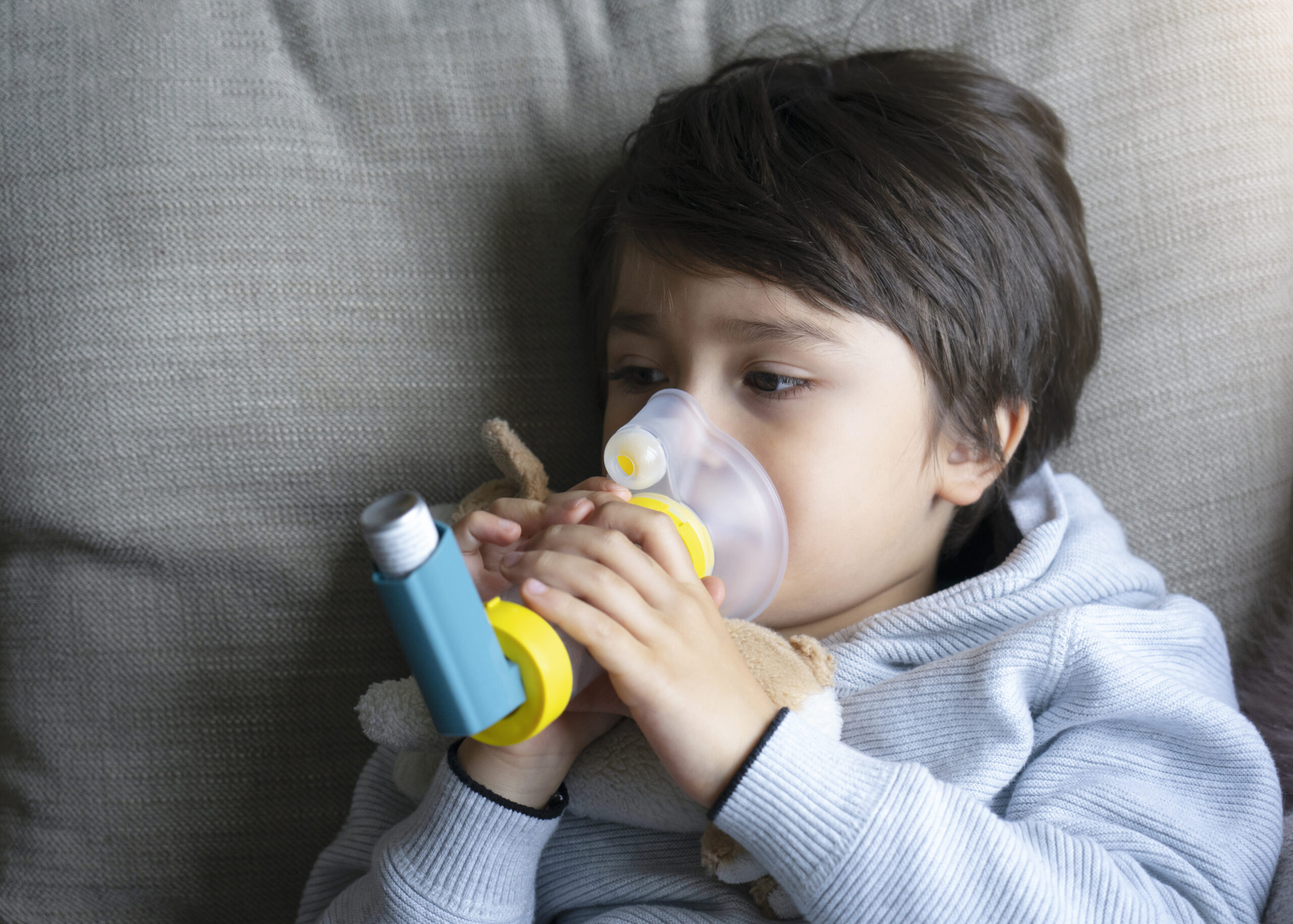
Childhood asthma triggers can make breathing hard for many children. As a parent, you want to keep your child safe and healthy. But, asthma can be tricky to manage. However, with the right knowledge, you can help your child avoid asthma attacks. In this guide, you will learn how to manage asthma in children, spot symptoms, and use asthma prevention tips for parents. These steps can make a big difference in your child’s daily life.
Common Asthma Triggers in Children
Many things can trigger asthma in children. Some triggers are found inside the home, while others are outside. Knowing these triggers helps you protect your child. For example, some children react to dust or pollen. Others may have trouble with smoke or strong smells. Here are some common childhood asthma triggers:
Because each child is different, triggers may vary. Still, knowing these common causes helps you stay alert.
Symptoms of Asthma Triggered by Environmental Factors
Asthma symptoms can appear quickly after a child meets a trigger. Sometimes, symptoms are mild. Other times, they can be severe. For instance, your child may start coughing or wheezing. But, other signs can also show up. Watch for these symptoms:
If you notice these signs, your child may be reacting to an asthma trigger. Early action can help prevent a serious attack.
Effective Strategies for Managing and Avoiding Triggers
Managing childhood asthma triggers takes planning. However, small changes can help your child breathe easier. Here are some effective strategies:
Because triggers can change, review these steps often. Also, talk to your child about their symptoms and feelings.
Tips for Creating an Asthma-Friendly Home
Making your home safe is key for children with asthma. Even small changes can help. For example, you can choose easy-to-clean floors instead of carpets. Here are more tips for an asthma-friendly home:
Because every home is different, choose the tips that work best for your family.
When to Seek Medical Help
Sometimes, asthma symptoms can get worse quickly. If your child is struggling to breathe, do not wait. Seek medical help right away. Watch for these warning signs:
If you notice any of these, call your doctor or go to the emergency room. Early treatment can save lives.
Prevention Advice for Parents
Preventing asthma attacks is possible with the right steps. First, learn your child’s triggers. Then, work with your doctor to manage them. Here are some asthma prevention tips for parents:
Because prevention is ongoing, review your plan often. Also, ask your doctor for updates or new advice as your child grows.
Conclusion
Managing childhood asthma triggers takes effort, but you are not alone. With the right steps, you can help your child breathe easier and stay healthy. For personalized asthma management advice, consult a Dr Deepthi Raidu. Your child’s health and comfort are worth every step you take.