What is High-Risk Pregnancy?
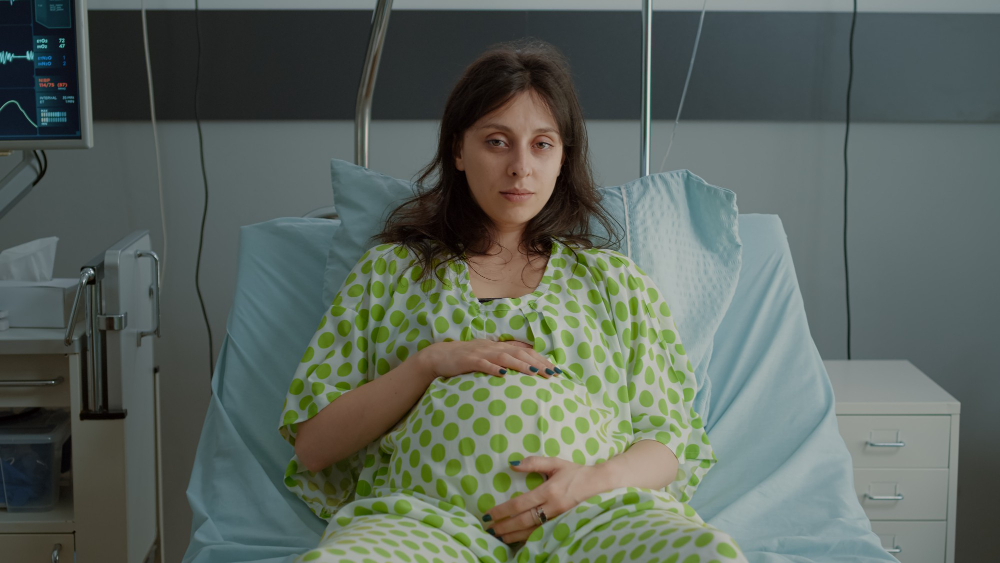
A high-risk pregnancy means there is a greater chance of health problems for the mother or baby. Some women start pregnancy with risks, while others develop them later. Because of this, high-risk pregnancy care is very important. Early and regular prenatal care helps keep both mother and baby healthy. Doctors use the term “high-risk” to make sure you get extra attention and support.
Common Causes of High-Risk Pregnancy
Many factors can make a pregnancy high-risk. For example, some women have health issues before pregnancy. Others develop problems during pregnancy. Here are some common causes:
Because these causes vary, doctors look at each woman’s health closely. They may suggest special tests or extra visits.
Symptoms and Warning Signs
Most women with high-risk pregnancy feel normal. However, some warning signs need quick attention. If you notice any of these, call your doctor right away:
Even if you feel unsure, it is better to ask your doctor. Early action can prevent serious problems.
Diagnosis and Monitoring
Doctors use several ways to diagnose a high-risk pregnancy. First, they ask about your health and family history. Next, they may do blood tests, urine tests, and ultrasounds. These tests help check your baby’s growth and your health. In some cases, doctors use special scans or heart rate monitors. Because risks can change, regular check-ups are important. Your doctor will explain each test and what it means for you.
Treatment and Management Options
Managing a high-risk pregnancy often means more doctor visits. Sometimes, you may need to see a specialist. Treatment depends on your health and the baby’s needs. Common management steps include:
Because every pregnancy is different, your doctor will make a plan just for you. Always follow their advice for the best results.
Lifestyle Tips for Expectant Mothers
Healthy habits can lower risks and help you feel better. Here are some tips for women with high-risk pregnancy:
Because support matters, talk to family and friends about your needs. They can help you stay healthy and calm.
Prevention and When to Seek Help
While not all high-risk pregnancies can be prevented, some steps can lower your risk. For example, see your doctor before getting pregnant. Manage any health problems early. During pregnancy, keep up with all check-ups and follow your doctor’s advice. If you notice any warning signs, seek help right away. Quick action can protect both you and your baby.
In summary, high-risk pregnancy needs special care and attention. With the right support, many women have healthy babies. Consult Dr. Deepthi Raidu for personalized advice on high-risk pregnancy.