
Introduction to Food Allergies in Children
Food allergies in children are becoming more common. In fact, about 1 in 13 children in the United States has a food allergy, according to the CDC. A food allergy happens when a child’s immune system reacts to certain foods as if they are harmful. Because of this, even a small amount of the food can cause symptoms. Early recognition and proper management are important for your child’s safety and well-being.
Common Symptoms and Warning Signs
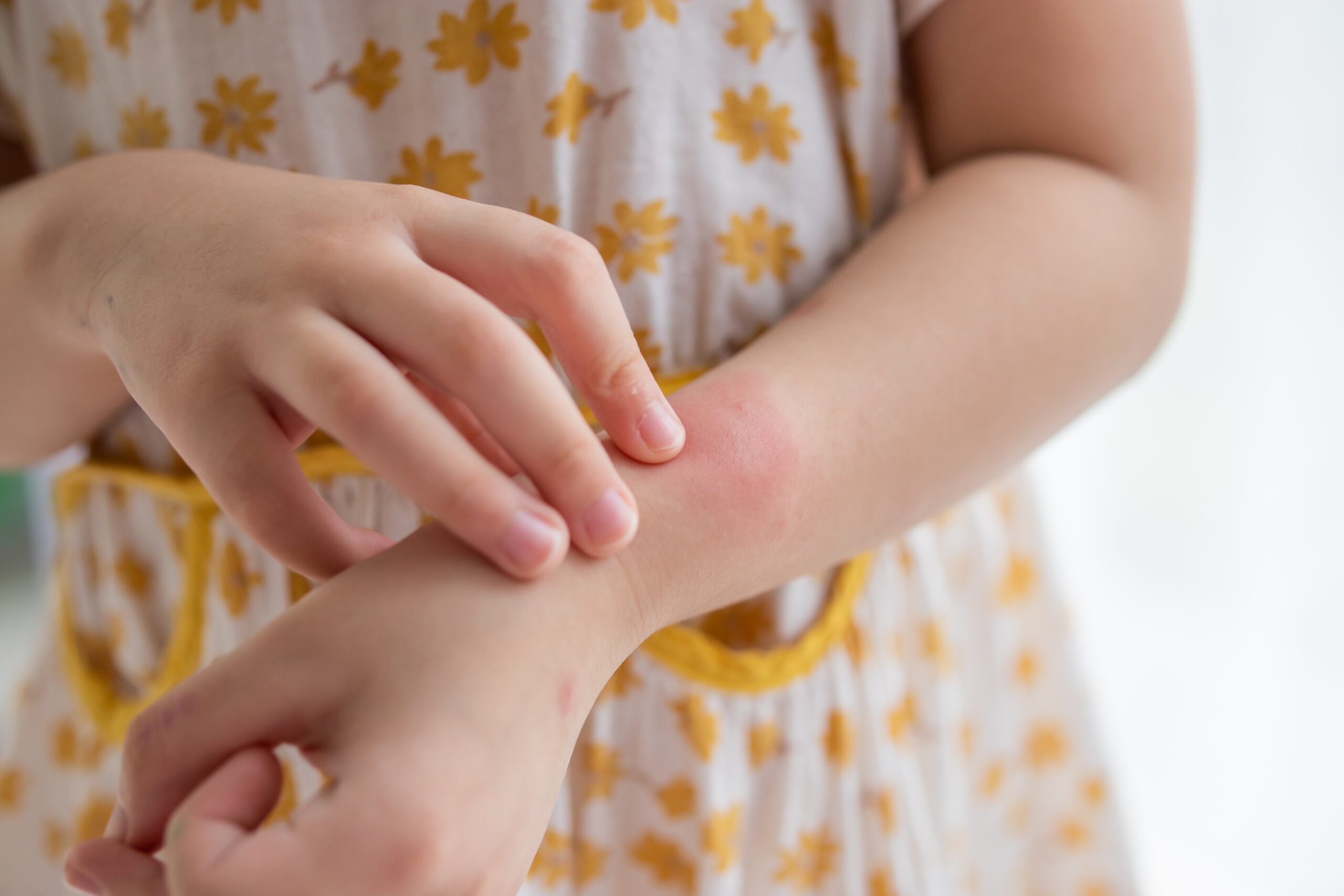
Children with food allergies can show symptoms within minutes or up to two hours after eating the problem food. However, symptoms can range from mild to severe. Knowing the signs helps you act quickly. For example, some children may only have mild itching, while others may have a life-threatening reaction.
Sometimes, a severe reaction called anaphylaxis can occur. This is a medical emergency. If your child has trouble breathing or loses consciousness, call 911 right away.
Main Causes and Risk Factors
Many foods can cause allergies in children. However, some foods are more likely to trigger reactions. The most common foods include:
Some children are more at risk than others. For instance, if a parent or sibling has allergies, the child is more likely to have them too. Also, children with eczema or asthma have a higher risk. Early introduction of certain foods may help lower the risk, but always talk to your doctor first.
How Food Allergies Are Diagnosed in Children
Doctors use several steps to diagnose food allergies in children. First, they ask about your child’s symptoms and family history. Next, they may suggest keeping a food diary. This helps track what your child eats and any reactions. In addition, doctors may use tests such as:
Because some reactions can be serious, these tests should only be done by a trained doctor or allergy specialist.
Treatment Options and Emergency Management
Currently, there is no cure for food allergies in children. However, the main treatment is to avoid the foods that cause reactions. Always read food labels and ask about ingredients when eating out. If your child has a severe allergy, your doctor may prescribe an epinephrine auto-injector. This device can stop a life-threatening reaction. Teach your child and caregivers how to use it. In case of an emergency, use the auto-injector and call 911 right away.
Lifestyle Tips for Managing Food Allergies at Home and School
Managing food allergies in kids takes planning. But with the right steps, your child can stay safe and healthy. For example, you can:
Additionally, join support groups or online communities for families dealing with food allergies. Sharing experiences can help you feel less alone.
Prevention Strategies and Early Intervention
While not all food allergies can be prevented, some steps may lower the risk. For example, breastfeeding for the first 4-6 months may help. Introducing common allergy foods early, around 6 months, may also reduce risk, but always check with your doctor first. If your child has eczema or a family history of allergies, talk to your doctor about the best approach. Early diagnosis and careful management can prevent serious reactions and improve your child’s quality of life.
Conclusion
Food allergies in children can be scary, but with the right knowledge, you can keep your child safe. Watch for symptoms, avoid trigger foods, and always have an emergency plan. For personalized advice on managing food allergies in children, consult a pediatrician or allergy specialist. Noticed rashes, swelling, or reactions after food? Don’t ignore it.
Get expert evaluation and care with Dr. Deepthi Raidu.
Book your consultation today to keep your child safe and allergy-free.