
Introduction
Adenomyosis and fibroids are two common conditions that affect the uterus. Many women experience symptoms from these issues, but they are often confused. Understanding the difference between adenomyosis and fibroids is important for proper care. Both can cause heavy periods and pain, yet their causes and treatments are not the same. In this blog, we will explain adenomyosis vs. fibroids, their symptoms, and treatment options.
What is Adenomyosis?
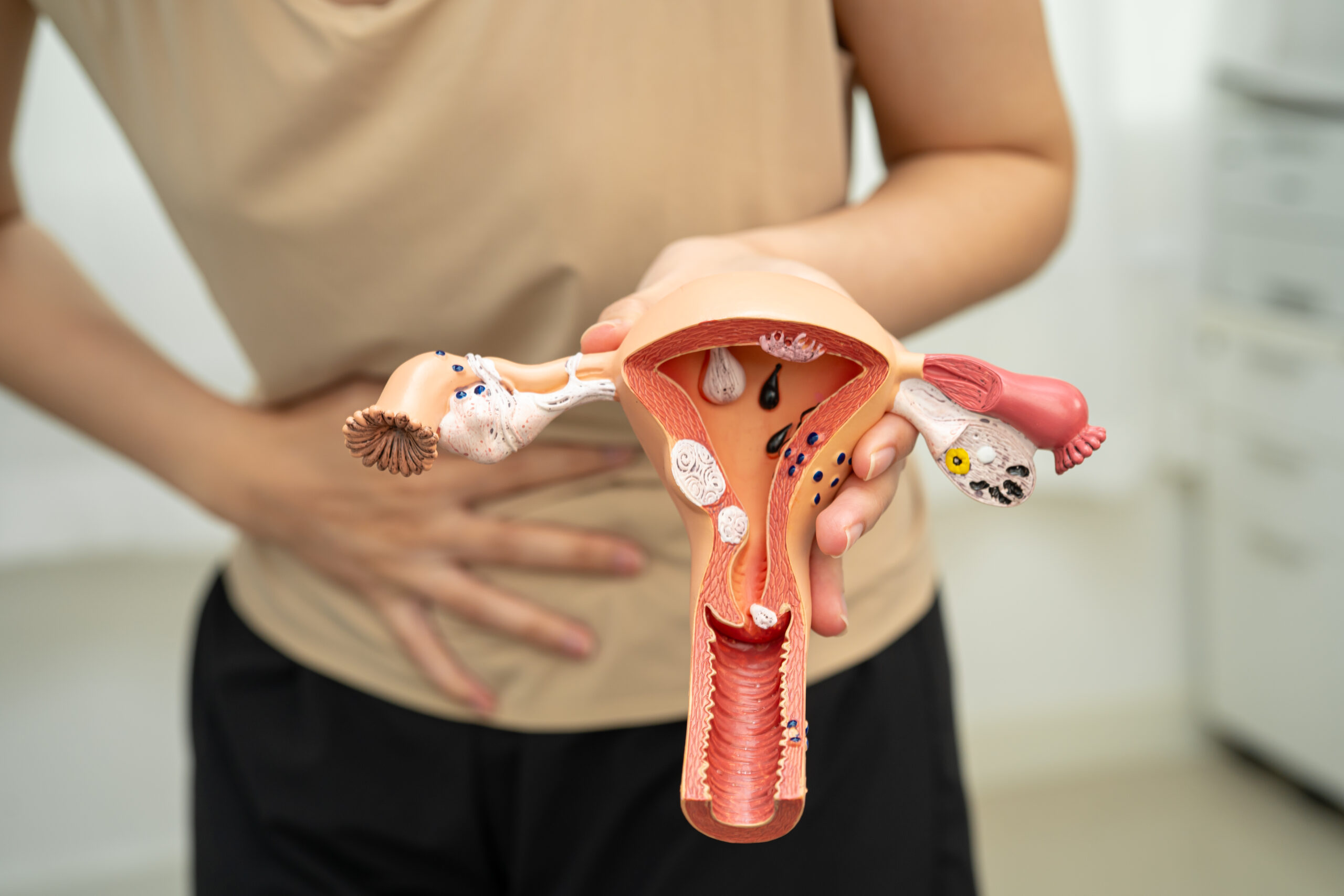
Adenomyosis happens when the tissue that lines the uterus grows into the muscle wall of the uterus. This can cause the uterus to become larger and tender. Many women with adenomyosis have heavy periods and pain. However, some women may not notice any symptoms.
The exact cause of adenomyosis is not clear. But, experts think it may be linked to hormones, childbirth, or past surgery on the uterus. Age can also play a role, as it is more common in women over 30.
What are Fibroids?
Fibroids are non-cancerous growths that form in or on the uterus. They are made of muscle and tissue. Fibroids can be as small as a seed or as large as a melon. Many women have fibroids at some point, but not all have symptoms.
Doctors do not know the exact cause of fibroids. However, hormones and family history can increase risk. Fibroids are more common in women aged 30 to 50.
Key Differences Between Adenomyosis and Fibroids
Although adenomyosis and fibroids can cause similar symptoms, they are different conditions. Here are the main differences:
Diagnosis: How Doctors Distinguish Between the Two
Doctors use several tools to tell adenomyosis and fibroids apart. First, they ask about your symptoms and medical history. Next, they may do a pelvic exam to check for an enlarged uterus. Often, doctors use imaging tests such as:
Sometimes, doctors may suggest a biopsy or other tests to rule out other causes. However, adenomyosis can be hard to confirm without surgery.
Treatment Options: Medical and Surgical Approaches
Treatment depends on your symptoms, age, and plans for pregnancy. There are both medical and surgical options for adenomyosis and fibroids.
Medical Treatments
Surgical Treatments
Each treatment has risks and benefits. Therefore, it is important to discuss options with your doctor.
Lifestyle Guidance: Tips for Symptom Management
While treatment can help, daily habits also play a role. Here are some tips for managing symptoms:
Additionally, regular check-ups help catch changes early.
Prevention and When to See a Doctor
There is no sure way to prevent adenomyosis or fibroids. However, keeping a healthy weight and managing stress may lower your risk. Early treatment can prevent problems. You should see a doctor if you have:
Remember, many women live well with these conditions. But, medical advice is key for the best care.
Consult a Dr. Deepthi Raidu for personalized advice on adenomyosis or fibroids.