What Is Essential Newborn Screening?
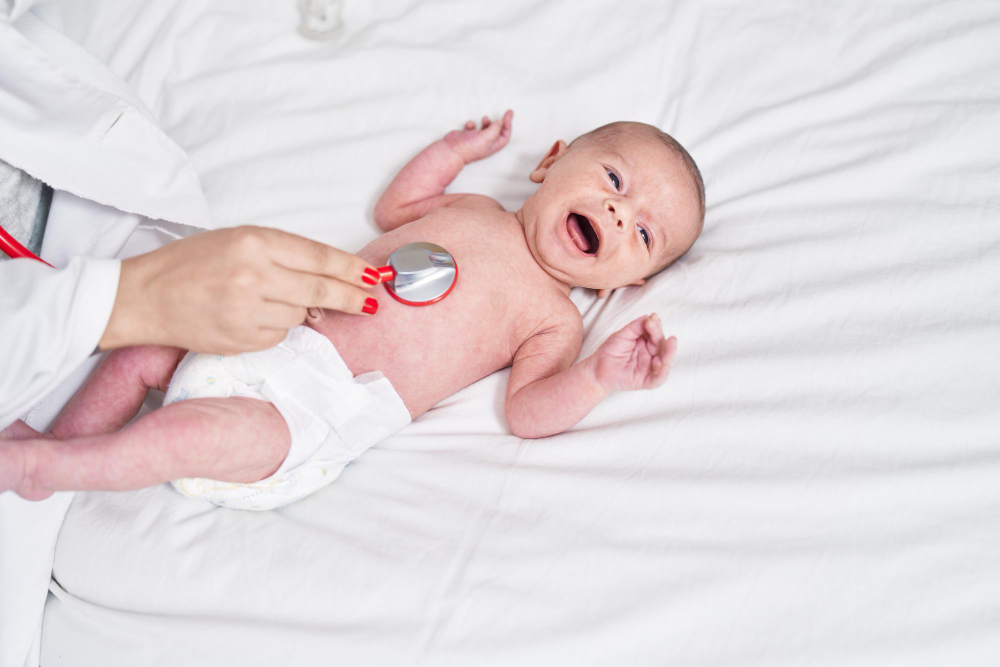
Essential newborn screening is a simple test done soon after birth. It checks for rare but serious health conditions in babies. Most hospitals and clinics offer this test. Early detection helps doctors treat problems before they cause harm. Because of this, essential newborn screening is a key step for every new parent.
Why Is Newborn Screening Important?
Newborn screening is important because many conditions do not show signs at birth. However, if left untreated, these conditions can cause serious health issues. With early screening, doctors can start treatment right away. As a result, your baby has a better chance for a healthy life. According to the CDC, newborn screening saves thousands of lives each year.
Common Conditions Detected by Newborn Screening
Newborn screening can find many health problems early. Some of the most common conditions detected in newborn screening include:
In addition, some states or countries may test for more conditions. Always ask your healthcare provider about the screening panel in your area.
How the Screening Process Works
The newborn screening process is quick and safe. Here is how it usually works:
Because the process is gentle, most babies only feel a brief pinch. The entire screening takes just a few minutes.
When and Where Screening Is Done
Most newborn screening happens within 24 to 48 hours after birth. Usually, it takes place in the hospital before you go home. However, if your baby is born at home or in a small clinic, your doctor will arrange the test. In some places, a follow-up test may be needed after a few days.
What to Expect After Screening (Results and Follow-Up)
After screening, the hospital sends the blood sample to a lab. Results usually come back in a few days. If the test is normal, you may not hear anything. But if there is a concern, your doctor will contact you. Sometimes, a repeat test is needed to confirm the result. Early follow-up helps start treatment quickly if needed.
Benefits and Limitations of Newborn Screening
Newborn screening offers many benefits:
However, there are some limitations:
Even so, the benefits far outweigh the risks for most families.
Frequently Asked Questions (FAQs)
Tips for Parents: What to Do If Your Baby Needs Further Testing
If your baby needs more tests, try not to worry. Many repeat tests come back normal. Here are some tips:
Remember, early action helps your baby get the best care.
Prevention and Early Intervention Guidance
While not all conditions can be prevented, early intervention makes a big difference. If a problem is found, your doctor will guide you on the next steps. This may include special diets, medicines, or therapy. Because of early care, many children grow up healthy and strong. Always follow your doctor’s advice and keep up with regular check-ups.
Conclusion
In summary, essential newborn screening is a simple but powerful tool. It helps protect your baby’s health from the very start. For any questions or concerns, consult your pediatrician or healthcare professional at Dr. Deepthi Raidu for personalized advice on essential newborn screening.