
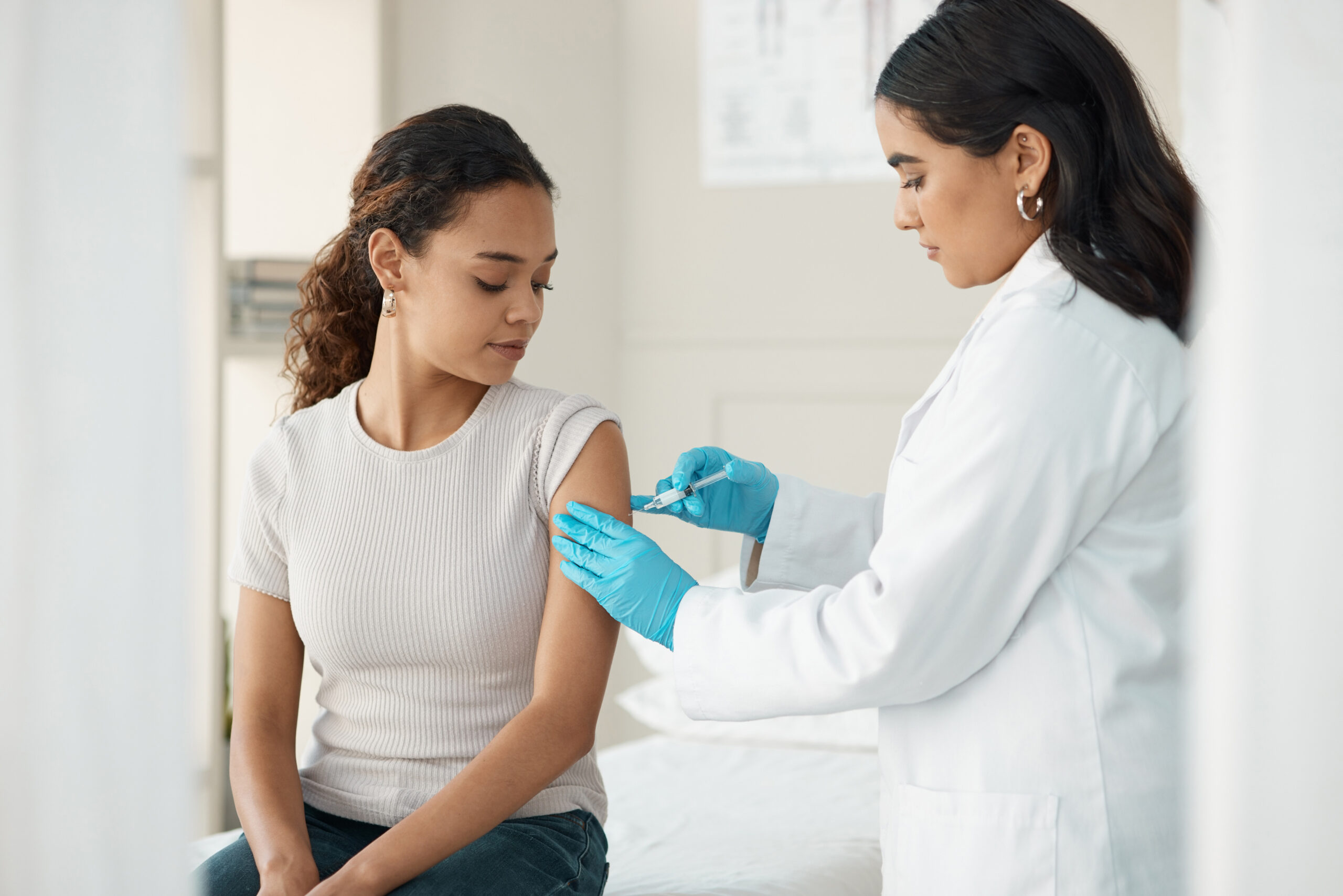
What Are Gynaecology Vaccinations?
Gynaecology vaccinations are special vaccines that protect women from diseases affecting their reproductive health. These vaccines help prevent infections that can cause serious health problems. For example, some vaccines protect against viruses that may lead to cancer or pregnancy issues. Because women face unique health risks, these vaccinations are important for long-term well-being. In many countries, gynaecology vaccinations are part of regular women’s health care. Early protection can make a big difference in a woman’s life.
Why Are Vaccinations Important for Women’s Health?
Vaccinations play a key role in women’s health. First, they help prevent diseases that can harm the reproductive system. For instance, some viruses can cause cervical cancer or liver problems. In addition, vaccines protect unborn babies from infections during pregnancy. Many women do not know they are at risk until it is too late. However, getting vaccinated can lower these risks. As a result, women can stay healthier and avoid long-term problems. Vaccines also help protect families and communities by stopping the spread of disease.
Common Types of Gynaecology Vaccinations
There are several important vaccines for women’s health. Each one protects against different diseases. Below are some of the most common gynaecology vaccinations:
These vaccines are safe and widely used.
Who Should Get Vaccinated and When?
Not all vaccines are needed at the same time. However, there are clear guidelines for when women should get each vaccine. Here are some general recommendations:
Because everyone is different, it is best to talk to a healthcare provider. They can help decide which vaccines are right for you and when to get them.
Safety, Side Effects, and Myths
Most gynaecology vaccinations are very safe. In fact, serious side effects are rare. However, like all medicines, vaccines can cause mild reactions. Common side effects include:
These effects usually go away within a few days. Some people worry about vaccine safety because of myths or misinformation. For example, some believe vaccines cause infertility or serious illness.
Prevention and Lifestyle Guidance
Vaccines are a strong tool for disease prevention. Still, healthy habits also matter. For better protection, consider these tips:
By combining vaccines with healthy habits, women can protect themselves and their families.
How to Access Vaccinations
Accessing gynaecology vaccinations is easier than many think. Most clinics, hospitals, and health centers offer these vaccines. In many cities and countries, government programs provide free or low-cost vaccines for women. To get started, follow these steps:
If you are unsure where to go, local health departments or online health portals can help. Remember, early vaccination is key for the best protection.
Conclusion
Gynaecology vaccinations are a vital part of women’s health. They help prevent serious diseases and protect future generations. Because every woman’s needs are different, it is important to seek advice from a healthcare provider. Stay informed, stay protected, and take charge of your health. Consult Dr. Deepthi Raidu provider for personalized vaccination advice.